5 Warning Signs Your Thermal Paste is Failing
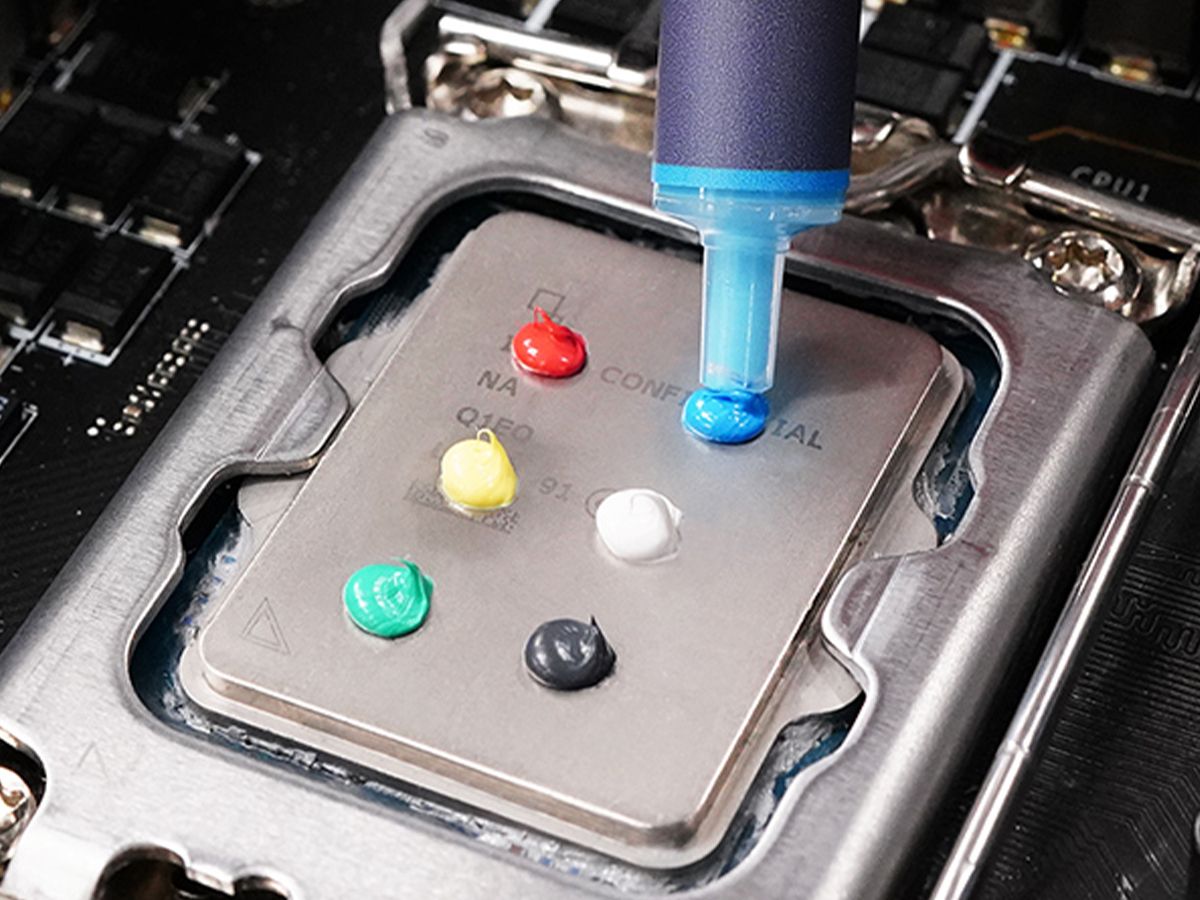
Thermal paste plays a critical role in transferring heat away from your CPU or GPU to the cooler. One of the first warning signs your thermal paste is failing is a noticeable increase in operating temperatures. If you observe rising temperatures under load that exceed safe limits, it could indicate that your thermal paste is no longer effectively conducting heat. You can monitor your CPU or GPU temperatures using various software tools, and if you find them consistently higher than usual, this should raise an alarm.
Another sign to watch for is system instability, which can manifest as random crashes or freezes during heavy tasks such as gaming or video rendering. When thermal paste deteriorates, it compromises the cooling efficiency, leading to thermal throttling and system malfunctions. Additionally, if you hear your fans running at maximum speed more frequently, this may indicate that the CPU or GPU is overheating due to failing thermal paste. In such cases, it’s advisable to replace the thermal paste to restore optimal function.
Counter-Strike is a highly popular first-person shooter game that emphasizes teamwork and strategy. Players work together in teams to complete objectives, whether it's defusing bombs or rescuing hostages. For those looking to enhance their gaming experience, Top 10 Laptop Accessories to Prevent Overheating can be essential to maintain optimal performance during intense gaming sessions.
How to Tell If It's Time to Reapply Thermal Paste
Knowing when to reapply thermal paste is crucial for maintaining optimal CPU and GPU temperatures, as it ensures efficient heat transfer. Thermal paste can degrade over time due to factors like high temperature and increased usage, leading to overheating and potential hardware damage. One of the most common signs that it's time to reapply thermal paste is when you notice your computer components running hotter than usual. If your CPU temperature consistently exceeds manufacturer-recommended levels, it's a clear indicator that the thermal interface material may have dried out or become ineffective.
Another way to tell if it's time for a reapplication is to monitor your system's performance during demanding tasks such as gaming or video editing. If you experience sudden slowdowns, crashes, or thermal throttling—where the CPU or GPU reduces its speed to cool down—it may be due to poor thermal conductivity. As a general rule of thumb, you should consider reapplying thermal paste every two to three years or whenever you disassemble your system for upgrades or cleaning. Regular maintenance will not only enhance performance but also extend the lifespan of your components.
Is Your CPU Overheating? Key Indicators Your Thermal Paste Needs a Refresh
If your CPU is overheating, it can lead to performance issues and potential hardware damage. One of the key indicators that your thermal paste needs a refresh is increased temperatures. Regularly monitoring your CPU temperature is essential; if you notice it exceeding the manufacturer’s recommended range, it's time to investigate further. Other signs include frequent system crashes, unexpected shutdowns, or throttling during heavy tasks. These symptoms often indicate that the thermal interface between the CPU and heatsink is compromised, making a timely replacement of thermal paste necessary.
Additionally, you should keep an eye out for unusual fan behavior. If your CPU cooler is running at higher speeds than usual, or if your system is unusually noisy, it may be working overtime to compensate for insufficient heat dissipation. This can be a clear sign that your thermal paste has degraded and is not effectively transferring heat away from the CPU. Regular maintenance, including refreshing the thermal paste every couple of years, can not only prolong the life of your CPU but also enhance the overall performance of your system.