How Augmented Reality is Reshaping Our Perception of the World
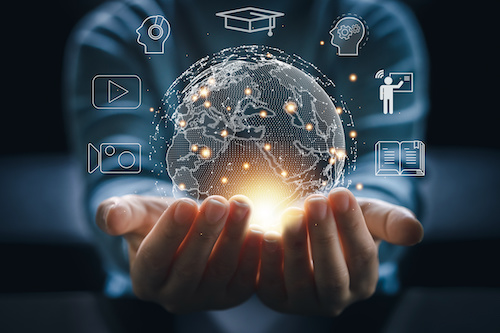
Augmented Reality (AR) is an innovative technology that overlays digital information onto the real world, dramatically changing how we perceive our surroundings. As AR continues to evolve, it is reshaping our interaction with everyday environments, making them more immersive and informative. For instance, applications such as Google Lens and Pokémon GO illustrate how AR can blend the digital and physical worlds, offering users a chance to engage with their environment in new and exciting ways. This fusion of reality and digital elements not only enhances our experiences but also challenges our perceptions of what is possible in our immediate surroundings.
Moreover, industries like education and healthcare are leveraging Augmented Reality to enhance learning and patient care. In educational settings, AR can transform traditional lessons into interactive experiences, allowing students to visualize complex concepts and engage in hands-on learning. In healthcare, AR assists in surgical procedures by providing real-time data and visualization, resulting in improved outcomes. As we embrace these technological advancements, it becomes clear that Augmented Reality is not merely a trend; it is a powerful tool that is fundamentally altering how we view and interact with the world around us.
Counter-Strike is a highly popular first-person shooter game that emphasizes team-based gameplay and strategy. Players can choose to be members of a counter-terrorist team or a terrorist team, engaging in various mission objectives. For those looking to enhance their gaming experience while working from home, check out the Top 10 Noise-Cancelling Headphones for Working from Home. The game has evolved through several iterations, with global competitiveness and a dedicated esports scene, making it one of the most enduring titles in gaming history.
The Rise of Virtual Reality: What Can It Teach Us About Real-World Interactions?
The advent of Virtual Reality (VR) has transformed our understanding of human interaction in profound ways. By immersing individuals in a digitally created environment, VR facilitates experiences that can mimic or even enhance real-world scenarios. For instance, VR training simulations enable professionals—from medical surgeons to military personnel—to practice their skills in a safe yet realistic setting. This technology not only allows for repeated practice without real-world repercussions but also encourages collaboration among users in shared virtual spaces, shedding light on how proximity and shared experiences can influence communication and teamwork.
Moreover, the study of virtual interactions offers insights into our social behaviors and emotional responses. When individuals engage in VR environments, they often exhibit behaviors and reactions that can be analyzed to understand real-world dynamics better. For example, researchers have found that virtual avatars can affect how users perceive themselves and others, impacting social identity and empathy. As we continue to explore the potential of VR, we can derive key lessons about fostering meaningful connections and addressing social challenges, ultimately enriching our real-world interactions and relationships.
Will AI-enable Technology Transform Our Everyday Experiences?
The future implications of AI-enabled technology on our daily experiences are profound and far-reaching. As artificial intelligence continues to evolve, it promises to reshape how we interact with our surroundings, streamline our activities, and enhance overall efficiency. For instance, consider smart home systems powered by AI; they can learn our habits, adjust settings accordingly, and even anticipate our needs. This fundamentally alters our routines, making them more convenient and tailored to individual preferences. From navigation apps that predict traffic patterns to personalized recommendations on streaming platforms, AI is already transforming our everyday engagements.
Moreover, the integration of AI technology into various sectors extends its influence beyond mere convenience. In healthcare, AI is revolutionizing patient care by enabling predictive analytics and personalized medicine, thereby improving health outcomes. In education, AI-driven tools can provide customized learning experiences for students, catering to their unique learning styles. As these technologies become more prevalent, it raises essential questions about privacy, data security, and ethical implications. Embracing AI-enabled technology could lead to a society that is not only more efficient but also more aware and informed about the impacts of these innovations on our lives.