Understanding the Basics of Wireless Technology: How Invisible Connections Shape Our World
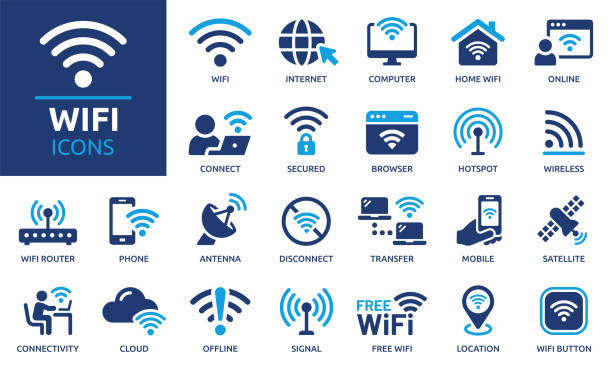
Wireless technology has become an integral part of our daily lives, allowing us to connect to the internet and communicate effortlessly without the need for physical cables. From Wi-Fi networks that enable our smartphones and laptops to access the web, to Bluetooth connections that link our devices and peripherals, these invisible connections facilitate a seamless flow of information. Understanding the basics of this transformative technology helps us appreciate how it shapes modern society, influencing everything from personal communication to global business operations.
The underlying principle of wireless technology is the transmission of data using radio waves, which travel through the air to connect devices. This method has evolved over time, leading to various standards and protocols that enhance speed, range, and reliability. Key advancements, such as the evolution from 2G to 5G networks, highlight how wireless technology continues to revolutionize our world by enabling faster data transfer and supporting a growing number of connected devices. Embracing these innovations is essential for staying ahead in an increasingly interconnected environment.
Counter-Strike is a highly popular multiplayer first-person shooter game that has captivated gamers since its inception. Players assume the roles of either terrorists or counter-terrorists in various objective-based game modes. For those looking to enhance their gaming experience, here are some recommendations for Top 10 Google Pixel Accessories that can make your gameplay smoother and more enjoyable.
The Evolution of Wireless Communication: From Radio Waves to 5G
Wireless communication has undergone a remarkable transformation over the past century, beginning with the use of radio waves in the early 20th century. Initially, wireless systems were limited to simple transmissions, allowing voices and music to traverse distances without cumbersome wires. As technology progressed, these early systems paved the way for advancements such as AM and FM radio, which improved sound quality and range. The introduction of digital communication in the late 20th century further revolutionized the industry, leading to the development of cellular networks that enabled mobile phones to thrive. Each leap in technology brought increased efficiency, data capacity, and accessibility, transforming the way people interact and share information.
The evolution didn't stop there; the dawn of 4G networks marked a significant milestone in wireless communication, enabling high-speed internet access on mobile devices and promoting the growth of applications that rely on reliable connectivity. Today, we stand on the brink of yet another revolution with the rollout of 5G technology. This next generation promises to deliver ultra-fast data speeds, reduced latency, and the ability to connect countless devices simultaneously. As we witness this transformation, it becomes evident that the journey from basic radio waves to sophisticated 5G networks embodies not just technological advancement, but a fundamental shift in how we communicate and interact with the world.
How Do Wireless Networks Work? Exploring the Science Behind the Signal
Wireless networks operate by transmitting data through the air using electromagnetic waves, allowing devices to connect without the need for physical cables. This technology relies on a combination of hardware and protocols that facilitate communication between devices. The key components of a wireless network include routers, access points, and client devices, all of which work together to establish a connection. When a device, such as a smartphone or laptop, wants to access the internet, it sends a request to a nearby wifi router, which acts as a hub, sending and receiving data packets to and from the internet.
The science behind the signal involves the modulation of these electromagnetic waves, which can vary in frequency and amplitude, thus determining the amount of data that can be transmitted. Most wireless networks today utilize radio frequencies (RF), with the common standards such as IEEE 802.11 (Wi-Fi) operating typically in the 2.4 GHz and 5 GHz bands. Additionally, technologies like beamforming help to enhance the strength and directionality of the signals, resulting in improved coverage and reduced interference. Understanding these foundational principles can help users optimize their wireless experience and troubleshoot common connectivity issues.