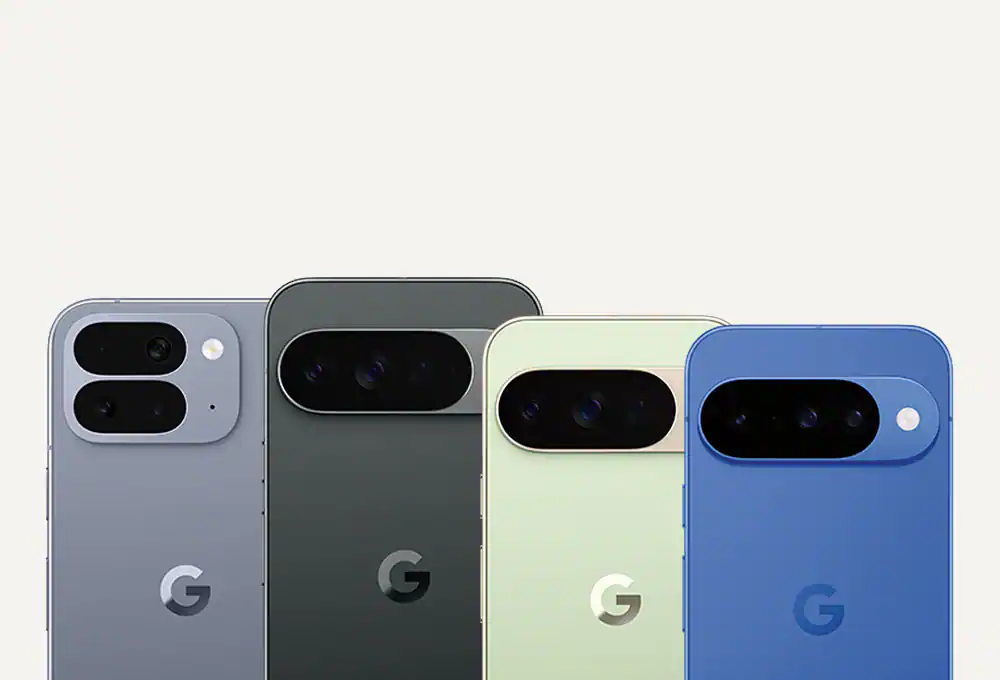
The Evolution of Smartphones: From Basic Phones to Smart Companions
The evolution of smartphones marks a significant leap in communication technology, transforming devices from basic mobile phones to powerful smart companions. In the early days, basic phones dominated the market, serving primarily for voice calls and SMS messaging. As technology advanced, features began to emerge, such as the introduction of cameras, simple web browsing capabilities, and basic applications. The launch of the first iPhone in 2007 revolutionized the industry, combining a phone, an iPod, and an internet communicator into one device and paving the way for the modern smartphone era.
Today, smartphones are no longer just communication tools; they have evolved into essential smart companions that integrate seamlessly into our daily lives. With features such as advanced artificial intelligence, augmented reality, and robust app ecosystems, smartphones now serve as personal assistants, navigation tools, and entertainment centers. This shift has fundamentally changed how we interact with technology, enabling us to manage tasks, connect with others, and access information at our fingertips, further emphasizing the importance of smartphones in our daily routines.
Counter-Strike is a highly popular first-person shooter game that pits teams of terrorists against counter-terrorists in various objective-based scenarios. Players can choose to play as either side and engage in tactical gameplay that emphasizes teamwork and strategy. Alongside mastering the game mechanics, having the right gear can enhance your gaming experience, such as checking out the Top 10 Android Phone Accessories that can complement your mobile gaming setup.
How Smartphones Have Revolutionized Communication in the Digital Age
In the digital age, smartphones have fundamentally transformed the way we communicate. Gone are the days when conversations were limited to face-to-face interactions or long-distance phone calls. With a smartphone in hand, individuals can now connect instantly through various platforms, including social media, messaging apps, and video calls. This unprecedented level of connectivity has enabled people to maintain relationships across vast distances, fostering a sense of global community. According to recent studies, over 60% of communication occurs through digital mediums, highlighting the significance of smartphones in everyday interactions.
Moreover, smartphones have introduced new ways to share information, breaking down traditional barriers to communication. Features such as instant messaging and multimedia sharing allow users to convey messages effectively through text, images, and videos. This has empowered individuals to express themselves creatively and has also transformed business communication. Organizations can now engage with clients in real-time, enhancing customer service and collaboration among teams. As we continue to embrace the benefits of smartphones, it's clear that they have revolutionized communication, making it more accessible and efficient than ever before.
Are Smartphones Making Us Smarter or Just More Distracted?
The debate on whether smartphones are making us smarter or simply more distracted is a complex one. On one hand, smartphones serve as powerful tools for accessing information, enhancing our knowledge, and improving our productivity. With a wealth of educational apps, e-books, and resource materials just a tap away, they empower us to learn new skills and stay updated on various topics. Moreover, features like calendar reminders and task management applications can help streamline our daily activities, allowing us to efficiently manage our time. However, this surge in accessibility also raises the question: are we using these tools to enhance our intelligence, or are we becoming overly reliant on them?
Conversely, the overwhelming presence of smartphones often leads to distracted behavior, which can hinder our cognitive abilities. Studies suggest that frequent notifications and the temptation of social media can fragment our attention spans, making it challenging to focus on tasks that require deep concentration. A recent survey indicated that 75% of individuals check their smartphones every hour, and many admit they struggle to resist the urge while working or studying. As a result, while smartphones have the potential to enhance our intellect, they may also contribute to a society increasingly plagued by distractions. Finding a balance between leveraging technology for learning and avoiding its pitfalls is crucial for developing a smarter mindset.