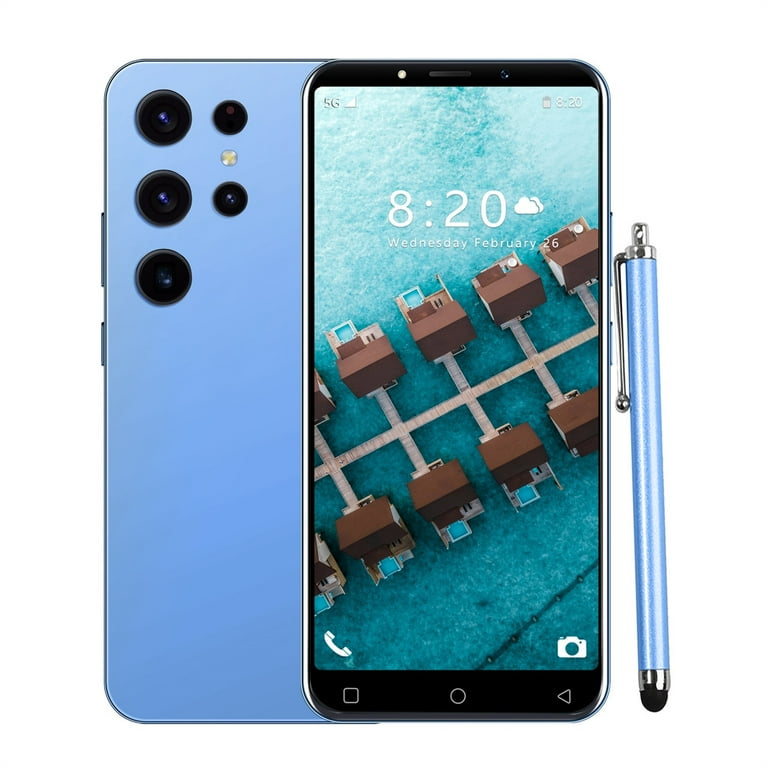
How Smartphones Have Transformed Communication and Lifestyle
The advent of smartphones has revolutionized the way we communicate and interact with the world around us. Gone are the days of relying solely on landlines or face-to-face meetings; now, we can connect with anyone, anywhere, at any time. With features such as instant messaging, social media platforms, and video calls, smartphones have made it easier than ever to maintain relationships and share experiences. The rise of applications like WhatsApp, Facebook, and Zoom showcases how these devices have become integral to both personal and professional communication, allowing people to stay connected regardless of geographical boundaries.
Moreover, the impact of smartphones extends far beyond communication, significantly altering our lifestyle. Today's smartphones serve as powerful tools for managing our daily tasks, from checking emails and scheduling appointments to accessing news and entertainment. The convenience of having a variety of apps at our fingertips enables users to shop online, monitor their health, and even manage finances with ease. This multifaceted functionality highlights how smartphones have become essential in navigating the complexities of modern life, making them not just communication devices but also indispensable lifestyle companions.
Counter-Strike is a popular multiplayer first-person shooter (FPS) game that has gained immense popularity since its release. Players can choose to play as either terrorists or counter-terrorists and compete in various game modes. For those who enjoy enhancing their gaming experience, check out the Top 10 Mobile Accessories that can elevate your gameplay to the next level.
The Evolution of Smartphones: From Basic Phones to Smart Devices
The evolution of smartphones has transformed the way we communicate, work, and socialize. It all began in the early 1980s with basic mobile phones that were primarily used for voice calls. These devices, often considered luxury items, had limited functionality and bulky designs. As technology progressed, the introduction of features like SMS text messaging and basic game applications paved the way for more advanced devices. In the late 1990s, the first smartphones emerged, combining mobile phone capabilities with handheld computing features, enabling users to send emails and access the internet on the go.
By the mid-2000s, we witnessed a major shift in the smartphone market with the launch of groundbreaking devices like the iPhone and Android smartphones. These devices revolutionized the industry, integrating touchscreens, powerful processors, and an extensive range of applications available through app stores. This era marked the transition from basic phones to smart devices that could support various functionalities including photography, navigation, and instant messaging. Today, smartphones are essential tools in our daily lives, continually evolving with innovative features like AI-powered assistants, advanced security protocols, and enhanced mobile connectivity.
Are Smartphones Making Us Smarter or More Distracted?
The advent of smartphones has sparked a significant debate on their overall impact on our cognitive abilities. On one hand, these devices offer a wealth of information at our fingertips, enabling us to access data, communicate instantly, and even learn new skills through various applications. For instance, educational apps allow users to enhance their knowledge in areas such as language learning and coding. Moreover, smartphones facilitate connectivity, allowing us to collaborate and share ideas globally, which can be seen as a catalyst for intellectual growth and creativity.
Conversely, critics argue that smartphones are contributing to greater distractions that hinder our focus and attention spans. Many users find themselves trapped in a cycle of scrolling through social media feeds and notifications, which can lead to decreased productivity and lack of meaningful engagement in real-world interactions. As noted in recent studies, the constant bombardment of alerts and digital noise can impair our ability to concentrate for extended periods, ultimately raising the question: Are we truly becoming smarter, or are we simply adapting to a world filled with distractions?