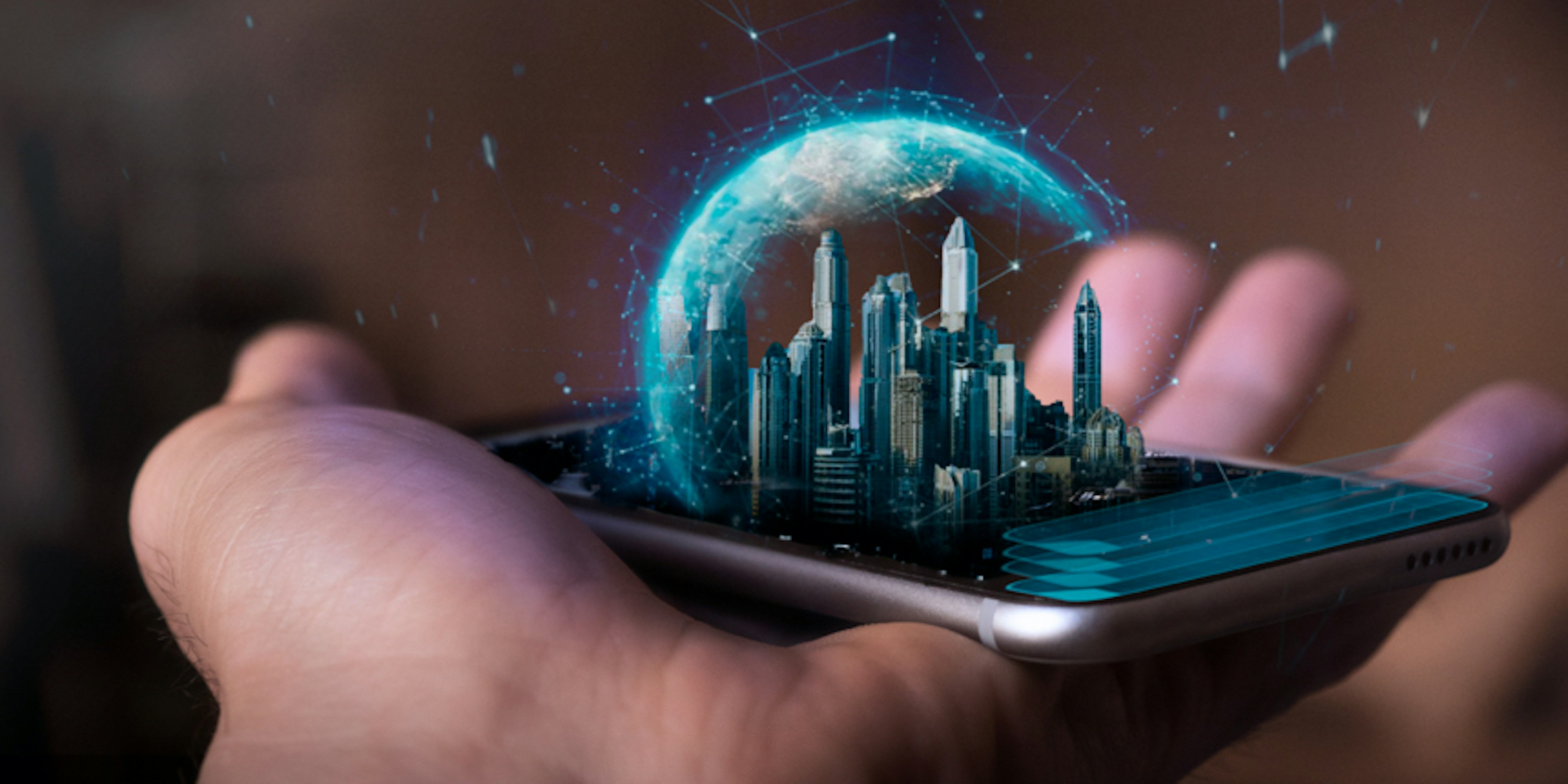
The Future of AI: How Artificial Intelligence is Reshaping Our Lives
The Future of AI holds immense potential as Artificial Intelligence continues to influence various facets of our daily lives. From healthcare to finance, AI-powered technologies are optimizing processes, increasing efficiency, and enhancing decision-making capabilities. For instance, in healthcare, AI algorithms can analyze vast datasets to predict patient outcomes, assist in diagnosis, and even personalize treatment plans. This not only improves patient care but also reduces costs, making healthcare more accessible.
Moreover, the impact of Artificial Intelligence extends to various industries, driving innovation and improving customer experiences. In retail, AI is revolutionizing how consumers shop through personalized recommendations, inventory management, and even virtual shopping assistants. As we look to the future, it's clear that AI will continue to reshape our lives, fostering a more connected and efficient world. Embracing this technology is crucial for businesses aiming to remain competitive and for individuals striving to leverage its potential to improve their everyday experience.
Counter-Strike is a highly popular team-based first-person shooter (FPS) game that has become a staple in the competitive gaming community. Players choose to take on the roles of either terrorists or counter-terrorists, engaging in various modes of gameplay that require strategic planning and teamwork. If you're a student looking to enhance your productivity while gaming, check out these Top 10 MacBook Accessories for Students to optimize your experience.
Top 5 Breakthrough Technologies to Watch in 2024
As we step into 2024, the technological landscape is evolving at an unprecedented pace. Among the breakthrough technologies to watch, artificial intelligence (AI) continues to dominate, with advancements in machine learning algorithms that enhance automation and decision-making processes. This year, we expect AI to integrate more seamlessly into everyday applications, revolutionizing industries from healthcare to finance. Another technology making waves is quantum computing, which has the potential to solve complex problems much faster than traditional computers, opening new frontiers in research and development.
Moreover, the rise of 5G connectivity is set to accelerate the proliferation of Internet of Things (IoT) devices, enabling smarter homes and cities. With lower latency and higher speeds, 5G will support innovations in telemedicine, remote work, and smart transportation systems. Additionally, advancements in blockchain technology provide a foundation for secure transactions and data integrity across various sectors, paving the way for decentralized finance and transparent supply chains. As we explore these technologies, it’s crucial to stay informed about their impact on our lives and the economy.
Is Quantum Computing the Next Big Leap in Technology?
Quantum computing represents a potential paradigm shift in technology, promising to solve complex problems that are currently beyond the reach of classical computers. Unlike traditional computing, which relies on bits as the smallest unit of data, quantum computing uses quantum bits or qubits. This enables quantum computers to perform many calculations simultaneously, making them exceptionally powerful for tasks such as cryptography, optimization, and drug discovery. As researchers continue to make advancements in quantum algorithms and hardware, the possibility of harnessing quantum computing for real-world applications is becoming increasingly plausible.
However, the journey to widespread adoption of quantum computing is not without challenges. Key issues such as error rates, qubit coherence times, and the need for specialized environments to maintain quantum states must be addressed. As major tech companies and startups invest heavily in this field, the race toward achieving practical quantum computing is intensifying. Will quantum computing become the backbone of the next technological revolution, or will its potential remain unfulfilled? Only time will tell, but the excitement surrounding this emerging technology suggests that we are on the brink of something extraordinary.