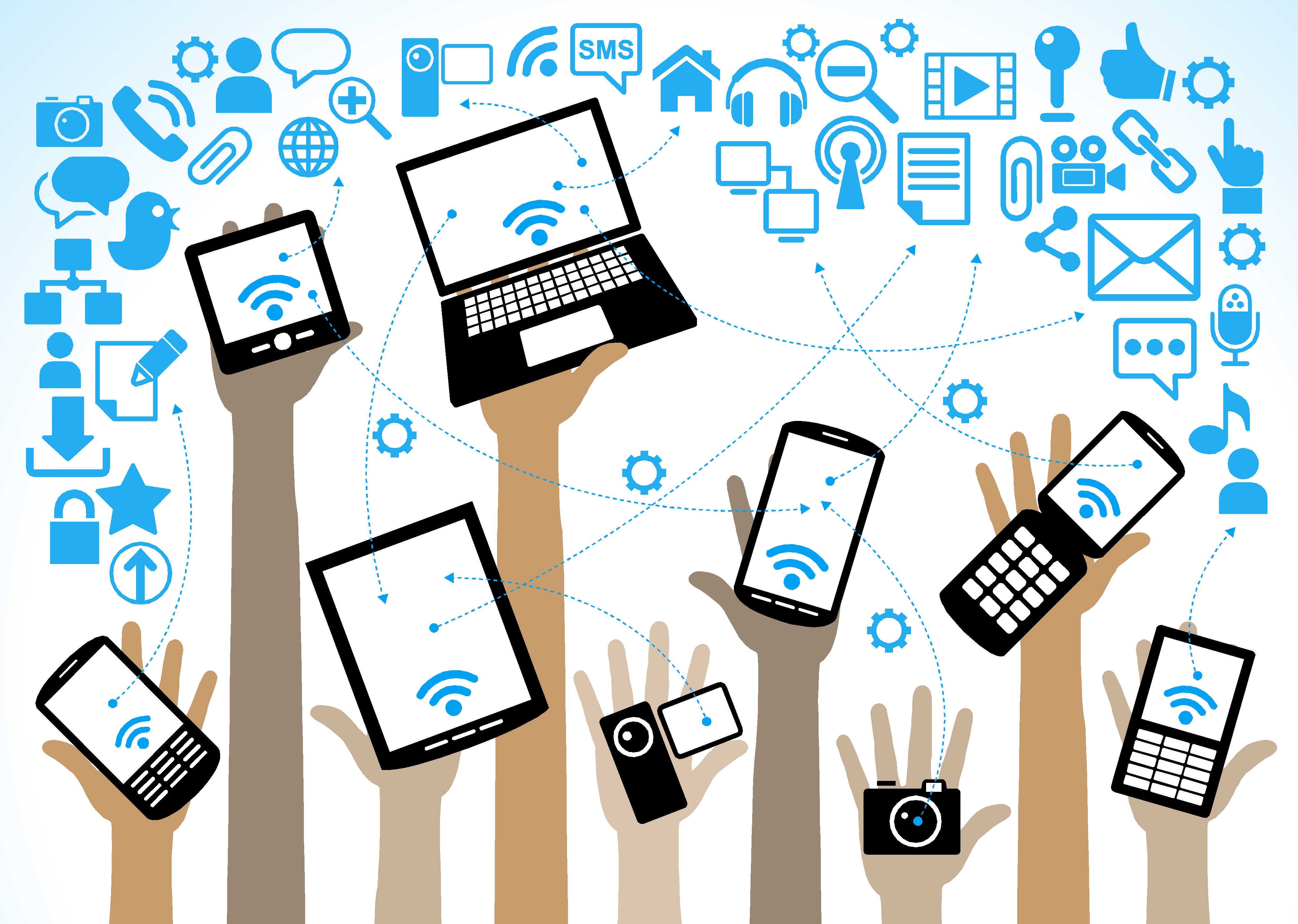
The Impact of Smart Devices on Our Everyday Routines
In recent years, smart devices have revolutionized the way we interact with our environment, significantly altering our everyday routines. From smart thermostats that learn our heating preferences to voice-activated assistants that help us manage our schedules, these technologies have integrated seamlessly into various aspects of our lives. As a result, many individuals find themselves relying on these devices for tasks ranging from simple reminders to complex home automation systems. The convenience provided by these gadgets often leads to improved efficiency, allowing us to focus on more important tasks, while they take care of mundane chores.
Moreover, the impact of smart devices extends beyond mere convenience; they also promote healthier lifestyles. For instance, fitness trackers and smartwatches encourage users to monitor their physical activity and maintain their fitness goals. Studies indicate that individuals who use such devices are more likely to engage in regular exercise and make healthier food choices. To summarize, the integration of smart devices into our daily lives not only enhances productivity but also contributes to our overall well-being, changing the way we experience and manage our routines.
Counter-Strike is a popular tactical first-person shooter game that pits teams of terrorists against counter-terrorists in a variety of game modes. Players can choose from a wide range of weapons and equipment to strategize and outmaneuver their opponents. For those looking to enhance their gaming setup, check out the Top 10 magsafe wallets for convenience and style.
Is Technology Making Life Easier or More Complicated?
In today's world, technology has undoubtedly revolutionized our daily lives, making numerous tasks more efficient and convenient. From smartphones that allow us to communicate instantly with anyone around the globe to smart home devices that manage our energy consumption, technology has streamlined basic functions and provided us with unprecedented access to information. For example, with the rise of online banking and digital payment systems, financial transactions have become quick and secure, saving time and reducing the risk of physical theft. Yet, this convenience comes at a cost; as we become more reliant on these innovations, we find ourselves grappling with new challenges such as data privacy concerns and the constant need to stay updated with the latest advancements.
On the other hand, technology can also complicate our lives in unexpected ways. The proliferation of devices and applications often leads to an overwhelming amount of information, creating a sense of digital clutter. Many people experience 'decision fatigue' from the countless options in their daily lives, from choosing which app to use for a specific task to navigating complex software interfaces. Additionally, the potential for technology addiction raises concerns about its impact on our mental health and social interactions. As we weigh the pros and cons, it's essential to ask ourselves whether these advancements truly enhance our quality of life or simply add layers of complexity that we must navigate.
How Innovation Shapes Our Daily Decisions: A Deep Dive
Innovation plays a crucial role in shaping our daily decisions, influencing everything from the products we choose to the way we communicate. With the rapid advancement of technology, our access to information has multiplied, allowing us to make more informed choices. Innovative tools such as mobile apps and online platforms provide personalized recommendations, enabling consumers to tailor their purchasing decisions based on their preferences and needs. This shift towards data-driven decision-making not only enhances our shopping experience but also encourages us to be more critical and curious about the options available to us.
Moreover, innovation extends beyond consumer choices; it impacts our professional lives as well. Companies that embrace innovation often create a culture that encourages employee engagement and risk-taking, which fosters creativity and enhances productivity. According to a survey, organizations that prioritize innovation are 3.5 times more likely to outperform their competitors. This ripple effect of innovation ensures that our daily decisions, whether personal or professional, are influenced by an ecosystem that rewards adaptability and forward-thinking, ultimately enriching our lives in various ways.