Unveiling the Circuit: How Your Devices Operate Behind the Scenes
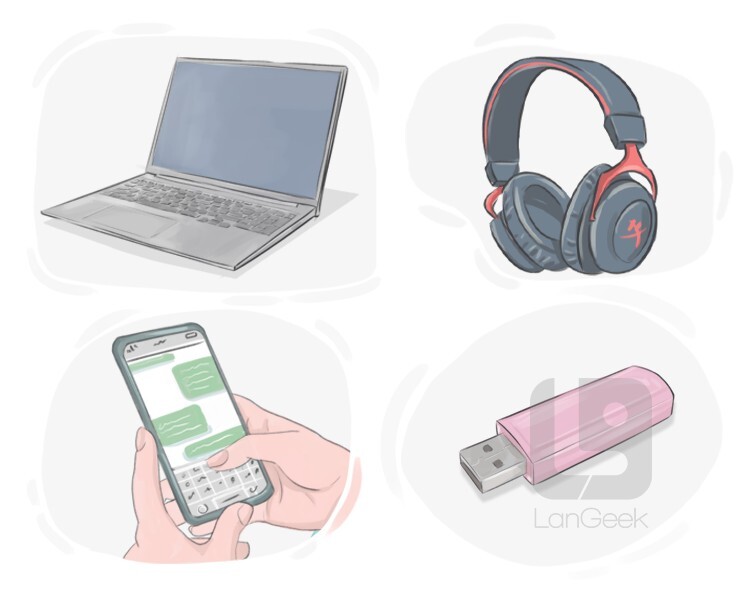
In the ever-evolving world of technology, understanding how our devices operate behind the scenes can significantly enhance our appreciation of them. Every device, from smartphones to laptops, relies on complex circuitry to perform its functions. At the heart of every operations is the central processing unit (CPU), which acts like the brain of the device, processing data and executing commands. Beneath this CPU are integrated circuits that manage power distribution, communication between components, and task execution, ensuring that each device operates smoothly and efficiently.
Moreover, the circuit board serves as the foundational platform where all electronic components are mounted. This interconnected web not only helps in transmitting electrical signals but also plays a vital role in optimizing performance. Understanding the layers of a circuit board can reveal how signals travel through paths and how components interact. From resistors controlling the flow of electricity to capacitors storing energy, each element contributes to the overall functionality of the device. This intricate dance of components working in harmony allows our devices to process information rapidly and respond to our commands in real-time.
Counter-Strike is a popular team-based first-person shooter that has captivated gamers around the world since its release. Players engage in intense matches, where they can choose to be part of the terrorist or counter-terrorist teams. The game emphasizes strategy, teamwork, and skill, making it a beloved choice among competitive gamers. If you're looking to enhance your gaming experience, check out the Top 10 Tablet Accessories that can help improve gameplay and comfort.
Sleep Mode Mysteries: What Your Smartphone Does When You Put It Down
When you activate sleep mode on your smartphone, it may appear that your device is merely resting, but there's a lot happening behind the scenes. In this state, your smartphone conserves battery life by dimming the display and reducing background activity. However, it also continues to perform essential functions such as syncing with your email and messaging apps, ensuring that you don’t miss any important notifications while you’re away from the screen. Additionally, sleep mode enables your device to carry out updates and system maintenance tasks, keeping it running smoothly and efficiently.
One of the most fascinating aspects of sleep mode is how it handles notifications and alerts. Unlike a complete shutdown, your smartphone remains connected to networks, capable of receiving calls, messages, and alerts. This means that when you pick it up again, you might find a flurry of notifications that missed your attention while the device was in its brief slumber. Furthermore, many smartphones also leverage motion sensors to detect when they are picked up, automatically waking the screen to provide instant access to your recent notifications and apps, ensuring a seamless user experience.
From Idle to Action: The Hidden Processes in Everyday Gadgets
Everyday gadgets, from smartphones to smart home devices, have complex systems working behind the scenes that transform them from idle to action. These hidden processes include sophisticated algorithms that anticipate user needs and automate tasks. For instance, when you voice command your smart speaker, it doesn't just turn on; it employs natural language processing to understand your intent and execute the command promptly. This automatic transition from idle status to active response demonstrates how technology interacts seamlessly with human behavior to enhance our daily lives.
Moreover, the power consumption management of these gadgets plays a crucial role in their efficiency. When not in use, many devices enter a low-power state, conserving energy while remaining ready for action at a moment's notice. Features such as the wake-on-lan capabilities in laptops and the standby modes in televisions illustrate this balance of functionality and energy efficiency. Understanding these hidden processes not only highlights the sophistication of everyday gadgets but also encourages consumers to appreciate how technology is designed to make life easier, evoking a shift from mere passive usage to proactive engagement.