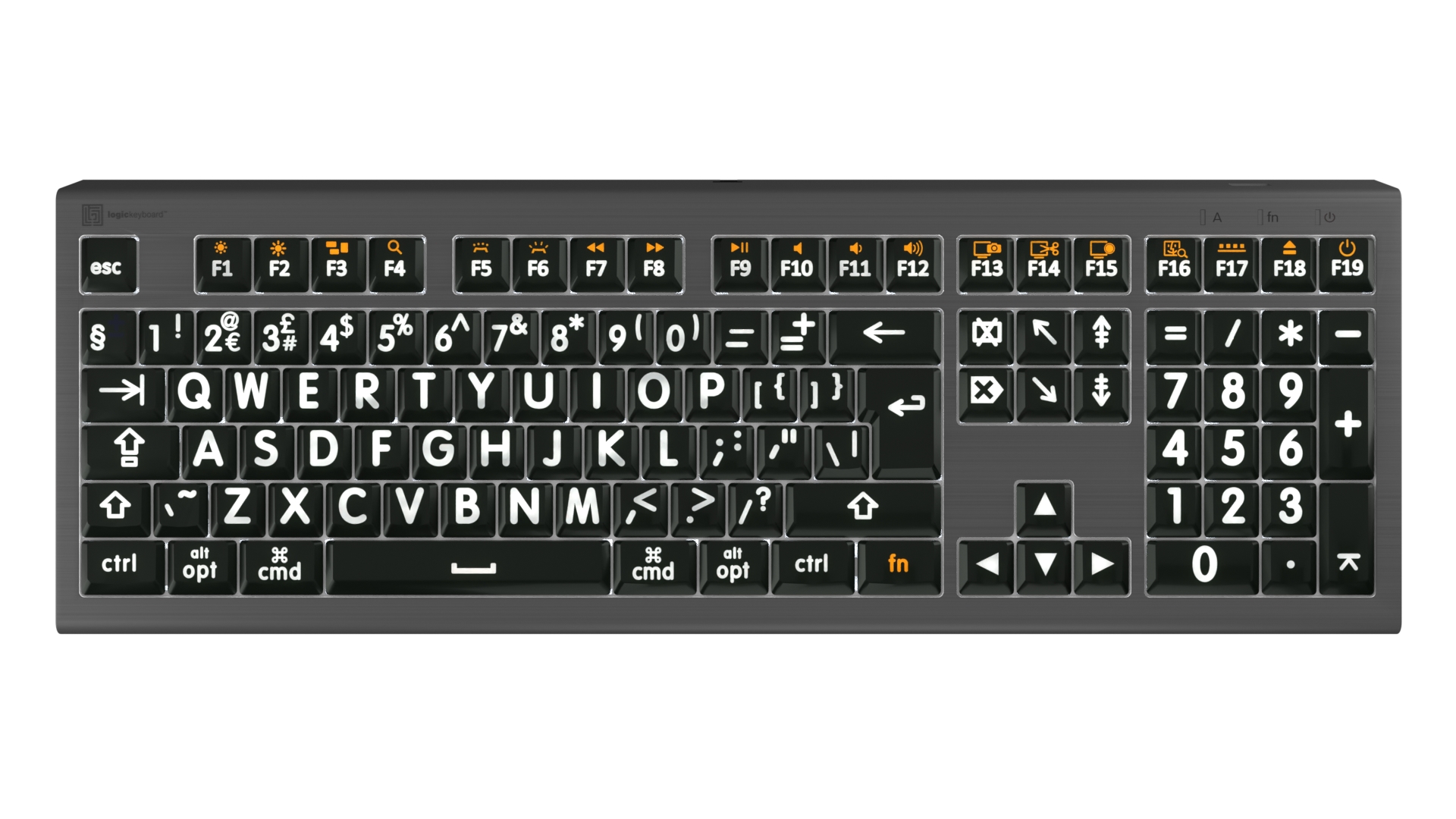
The Evolution of Keyboards: From Typewriters to Mechanical Marvels
The journey of keyboards is a fascinating tale that traces back to the early typewriters of the 19th century. These mechanical devices transformed the way we write, enabling individuals to produce text more efficiently than by hand. The original typewriters, with their intricate systems of levers and hammers, laid the foundation for the keyboards we use today. As technology advanced, typewriters evolved into electric models, which further enhanced typing speed and comfort. By the late 20th century, the advent of personal computers heralded a new era, transforming the keyboard from a standalone apparatus to an integral component of digital interaction.
With the rise of computer technology, keyboard designs underwent significant changes, leading to the creation of mechanical keyboards that are still highly sought after by enthusiasts today. Unlike their predecessors, modern mechanical keyboards use individual mechanical switches for each key, providing tactile feedback and durability that many users crave. The customization options available—from keycap designs to switch types—allow users to tailor their keyboards to fit their preferences. As we look towards the future, the evolution of keyboards continues, integrating technologies such as wireless connectivity and ergonomic designs, ensuring that these devices remain vital to our typing experience.
Counter-Strike is a popular tactical first-person shooter game that pits two teams against each other: terrorists and counter-terrorists. The game requires teamwork, strategy, and precise shooting skills. Players can enhance their gaming experience by using peripherals such as a keyboard. For example, if you're looking for the best tools to enhance your gameplay, check out the Top 10 Bluetooth Tablet Keyboards. Over the years, Counter-Strike has evolved, leading to various iterations like CS: GO, which continues to attract a massive player base.
10 Common Typing Pitfalls and How to Avoid Them
Typing is an essential skill in today's digital world, but many individuals fall victim to common pitfalls that can hinder their efficiency and accuracy. One prevalent issue is inconsistent finger positioning, which can lead to unnecessary mistakes. To avoid this, it’s crucial to familiarize yourself with the home row keys and practice regularly. Another common challenge is poor posture, which can result in discomfort and long-term health issues. Ensuring your workspace is ergonomically designed can prevent strain and promote a better typing experience.
Another major typing pitfall is neglecting to proofread your work before hitting send or submit. Not taking the time to review can lead to typos and grammatical errors that might damage your credibility. Implementing a habit of double-checking your text can greatly enhance the quality of your work. Additionally, many people fall into the trap of over-reliance on spell checkers, which may miss contextual errors. To avoid this, develop a robust understanding of grammar rules and consider reading aloud to catch mistakes that software may overlook.
How to Choose the Perfect Keyboard for Your Typing Style
Choosing the perfect keyboard for your typing style begins with understanding the different types of keyboards available. Keyboards come in various forms such as mechanical, membrane, and ergonomic designs. Mechanical keyboards are favored by many typists for their tactile feedback and durability, while membrane keyboards offer a quieter typing experience. If you suffer from wrist pain or prefer a more natural hand position, an ergonomic keyboard might be the best choice for you. To start the selection process, consider your typing habits: do you type for long hours daily, or do you need a keyboard for occasional use? This will influence your choice significantly.
Once you’ve identified your keyboard type, it’s essential to examine specific features that can enhance your typing experience. Look for features such as key switch types, backlighting, and customization options. For instance, Cherry MX switches are popular due to their reliability and varied tactile feedback options, while RGB backlighting can not only enhance the aesthetics of your workspace but also assist in low-light environments. Furthermore, consider keyboards with programmable keys, which allow you to tailor your typing setup to improve your workflow and efficiency. Ultimately, the perfect keyboard aligns seamlessly with your unique typing style and needs.