The Rise of Smart Devices: Are They Truly Intelligent?
The rise of smart devices has transformed the way we interact with technology, embedding itself into our daily lives. From smartphones to smart refrigerators, these devices claim to enhance our productivity and convenience. Yet, the question arises: are they truly intelligent? While smart devices utilize advanced algorithms and machine learning to process data and make decisions, their level of 'intelligence' often hinges on the programming they operate under. For instance, a smart thermostat learns your heating preferences over time, but it still requires initial input and continuous guidance from human users to function optimally.
Moreover, the perception of intelligence in smart devices can sometimes blur the line between automation and true cognitive capability. As we integrate these technologies into our homes and workplaces, it’s essential to recognize their limitations. Unlike humans, these devices cannot reason, empathize, or adapt in unpredictable situations without a framework of coded instructions. In many ways, they exhibit sophisticated behavior by following pre-determined patterns rather than demonstrating true understanding. Thus, while smart devices may enhance our experiences, we should approach their 'intelligence' with a critical perspective, acknowledging their role as sophisticated tools rather than sentient beings.
Counter-Strike is a widely popular first-person shooter game that requires teamwork and strategy. Players assume the roles of terrorists or counter-terrorists, engaging in various game modes to complete objectives. For those interested in gaming peripherals, check out the Top 10 apple tv remotes to enhance your gaming experience. The game's competitive scene has spawned countless tournaments and a thriving esports community.
Top 5 Features That Make Your Gadget Smarter Than You Think
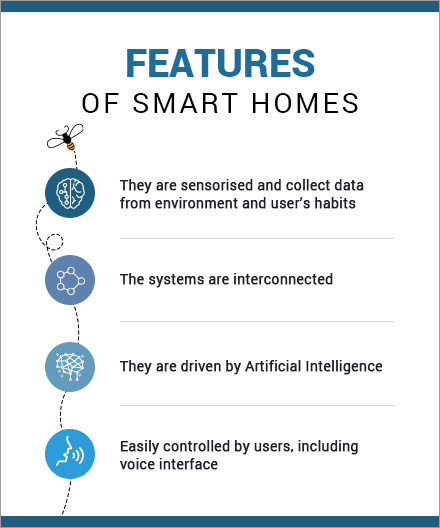
In today's tech-driven world, gadgets are becoming increasingly intelligent, integrating a range of features that often surpass our initial expectations. Here are the top 5 features that can make your gadget smarter than you think:
- Artificial Intelligence: Many modern devices utilize AI algorithms that allow them to learn from user behavior, making recommendations and automating tasks.
- Voice Recognition: Gadgets equipped with voice assistants like Siri or Google Assistant not only understand commands but also engage in natural conversations, making them feel almost human.
- Internet of Things (IoT) Connectivity: IoT-enabled devices can communicate with each other, creating a cohesive ecosystem that enhances functionality and user experience.
- Adaptive Display Technology: Screens that adjust brightness and color based on ambient light or user preferences contribute to smarter interactions.
- Location-Based Services: Features like geofencing and GPS tracking allow your devices to provide tailored experiences based on your location.
Can Your Device Outsmart You? Exploring AI-Powered Functionality
In today's digital landscape, the integration of AI-powered functionality into personal devices has raised intriguing questions about their capabilities. From smartphones that can predict your needs to home assistants that learn your routines, it's evident that technology is rapidly advancing. For instance, AI algorithms can analyze your behavior and preferences, often providing suggestions that can seem almost intuitive. But can these devices truly outsmart their users, or are they merely enhanced tools designed to serve us better?
As we explore this theme, it's essential to recognize the dual nature of AI technology. On one hand, it empowers us to achieve tasks with greater efficiency, while on the other, it introduces challenges regarding control and privacy. For example, consider how recommendation systems on streaming platforms have become so adept at suggesting content that they can sometimes anticipate your mood better than you can! This dynamic creates a fascinating dialogue about human agency in a world increasingly shaped by intelligent devices. Are we steering the technology, or is it subtly steering us?